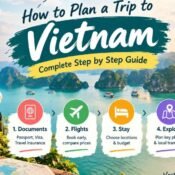

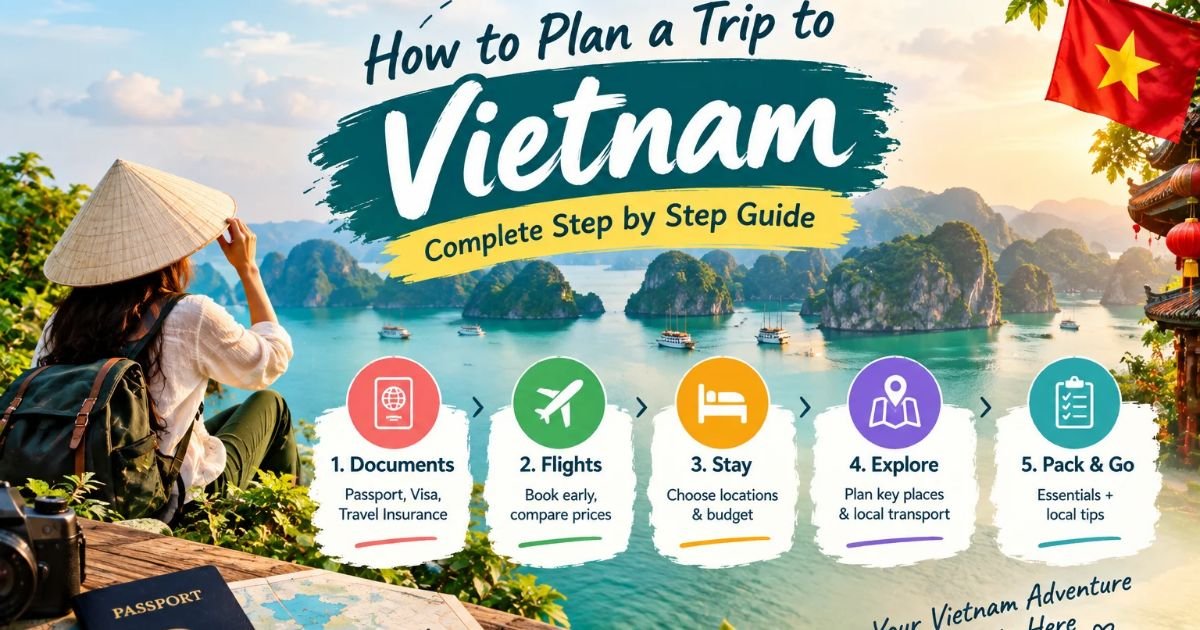
How to Plan a Trip to Vietnam: Complete Step by Step Guide
Vietnam has quietly become one of the most popular international destinations for Indian travelers, and it is easy to see why. It offers stunning landscapes, rich history, incredible food, and prices that are far more wallet friendly than most of Southeast Asia. But because it is a country with a lot to see, from Hanoi in the north to Ho Chi Minh City in the south, many first time travelers feel unsure about how to plan a trip to Vietnam without missing the best parts or overspending. This guide walks you through every step, from visas to budgeting to building the right itinerary.
Step 1: Decide How Many Days You Need
Before anything else, figure out your trip length. A short trip of 5 to 6 days is enough to cover one region well, such as Hanoi, Halong Bay and Ninh Binh, or Ho Chi Minh City and the Mekong Delta. If you have 8 to 10 days, you can comfortably cover both the north and south, including Hoi An and Da Nang in the middle. Anyone genuinely trying to figure out how to plan a trip to Vietnam should start here, because your available days decide everything else, from flights to internal transport.
Step 2: Check Visa Requirements
Indian travelers need a visa to enter Vietnam, but the process is simple and can be done online through an e-visa application. The e-visa typically takes a few working days to process and allows stays of up to 30 days. Make sure your passport has at least 6 months of validity remaining and carry a printed copy of your visa approval along with return flight tickets, since immigration officers sometimes ask for these on arrival.
Step 3: Pick the Best Time to Travel
Vietnam is a long country, so weather varies by region. The north, including Hanoi and Halong Bay, is best visited between October and April when it is cooler and drier. Central Vietnam, including Hoi An and Da Nang, is pleasant from February to July. The south, including Ho Chi Minh City and the Mekong Delta, has a tropical climate year round but is most comfortable from December to April. If your itinerary covers multiple regions, aim for the November to March window, which works reasonably well across the whole country.
Step 4: Set a Realistic Budget
One of the biggest reasons Vietnam is popular is affordability. On a mid range budget, you can expect to spend somewhere between 4,000 and 6,000 rupees per day per person on accommodation, food and local travel, excluding flights. Street food and local restaurants are extremely cheap, while hotels range from budget hostels to affordable boutique stays. International flights from India usually form the largest chunk of the total cost, so booking a few months in advance can bring meaningful savings.
Step 5: Choose Your Route
This is the part where most people get stuck when figuring out how to plan a trip to Vietnam, because the country offers so many good options. Here are the most popular routes:
- North Vietnam route: Hanoi, Halong Bay, Ninh Binh, Sapa
- Central Vietnam route: Da Nang, Hoi An, Hue
- South Vietnam route: Ho Chi Minh City, Mekong Delta, Phu Quoc island
- Full country route (8 to 12 days): Hanoi, Halong Bay, Hoi An, Da Nang, Ho Chi Minh City
For a first trip, most travel experts recommend the north to central route, since it combines mountains, sea, history and food in one manageable loop.
Step 6: Book Flights and Internal Transport
Direct and connecting flights to Vietnam are available from major Indian cities to Hanoi and Ho Chi Minh City. Within Vietnam, domestic flights, trains and overnight buses connect most major cities affordably. If your itinerary includes multiple cities, domestic flights are often the most time efficient option, especially between the north and south.
Step 7: Plan Key Experiences in Advance
Some of Vietnam’s best experiences need advance planning. Halong Bay cruises, for instance, range from budget day trips to overnight luxury cruises, and popular boats fill up quickly in peak season. Similarly, cooking classes in Hoi An and motorbike tours around Hue are worth booking a few days ahead rather than showing up and hoping for availability.
Step 8: Understand Local Culture and Etiquette
Vietnamese culture values politeness and modesty. Dress modestly when visiting temples and pagodas, remove your shoes when required, and always ask before photographing locals, particularly in rural or ethnic minority areas. Bargaining is common and expected in markets, but not in shops with fixed price tags.
Step 9: Pack Smart
Depending on the season, pack light breathable clothing for the humid south and slightly warmer layers for the cooler north during winter months. Comfortable walking shoes are essential, since most sightseeing in cities like Hanoi and Hoi An is done on foot.
Step 10: Get Local Support Instead of Doing Everything Alone
This is where a lot of independent travel plans fall apart. Between visas, multi city transport, cruise bookings and local guides, coordinating everything solo can eat up hours of research and still leave gaps. This is exactly why working with an experienced travel agency makes a real difference when you are figuring out how to plan a trip to Vietnam properly.
How The Travelit Makes Your Vietnam Trip Easier
The Travelit, a trusted tour and travel agency based in Dehradun, puts together complete Vietnam packages that remove the guesswork from international travel. Instead of juggling visa paperwork, flight comparisons and hotel bookings across three or four cities on your own, The Travelit handles the entire chain, from visa assistance to flights, hotels, local transport and curated sightseeing.
Their team also customizes itineraries based on your travel style, whether you want a relaxed cultural trip focused on Hanoi and Hoi An, an adventure heavy trip including Sapa trekking, or a beach focused extension in Phu Quoc. Because pricing and availability for Vietnam can change quickly during peak travel months, working with an agency like The Travelit also helps you lock in better rates well in advance.
Frequently Asked Questions
How many days are enough for a first Vietnam trip?
7 to 8 days is a comfortable duration to cover both northern and central Vietnam without rushing.
Is Vietnam expensive for Indian travelers?
No, Vietnam is considered a budget friendly destination, especially for food, local transport and accommodation, though international flights remain the biggest cost.
Do Indians need a visa for Vietnam?
Yes, Indian citizens need a visa, but it can be applied for online through the e-visa system well before travel.
What is the best route for a first time Vietnam trip?
Most first timers prefer starting in Hanoi, covering Halong Bay and Ninh Binh, then moving south to Hoi An and Da Nang.
Final Thoughts
Learning how to plan a trip to Vietnam is really about breaking the process into manageable steps, deciding your duration, sorting your visa, choosing the right route, and budgeting realistically. Once these basics are in place, the trip mostly plans itself. If you would rather skip the research and let experts build a route tailored to your interests and budget, The Travelit can put together a complete Vietnam itinerary for you, covering flights, visas, stays and experiences from start to finish.